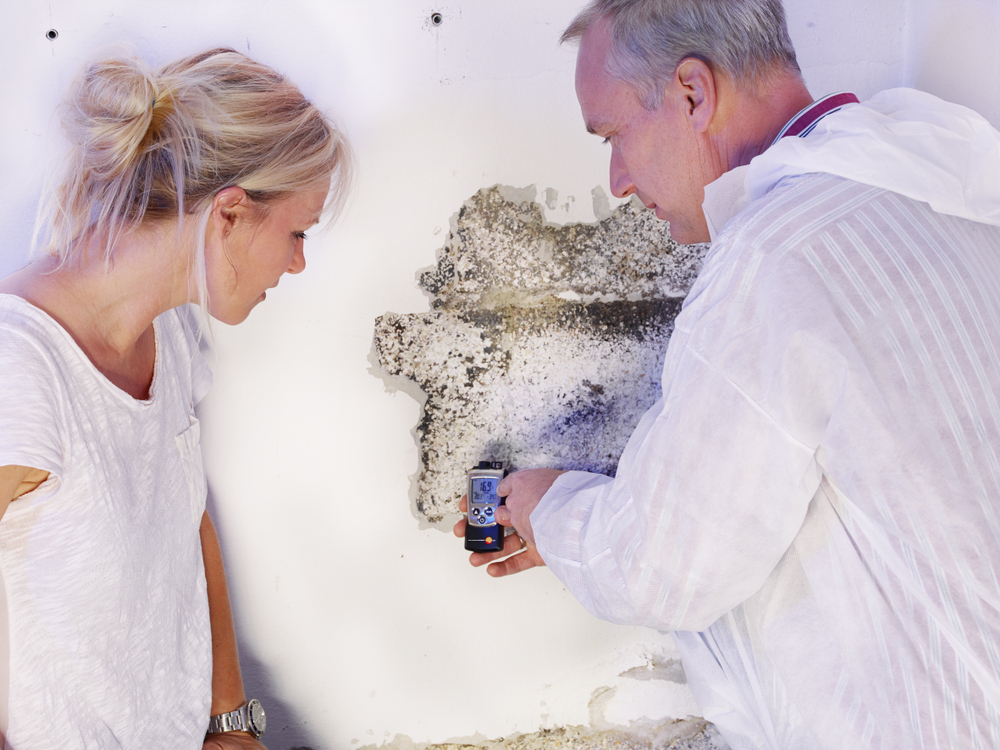

Most of us spend the vast majority of our lives indoors without ever thinking much about the air, surfaces, and systems around us. We notice a leaky faucet or a drafty window because they’re obvious. But the things that quietly affect our health — stale air, hidden moisture, off-gassing materials, dust buildup in places we never clean — tend to go unnoticed until something forces the issue: a musty smell that won’t go away, a family member’s allergies flaring up every winter, or a flood that leaves behind more than just water damage. All such issue can only be solved with the help of Mold remediation services.
The good news is that restoring a home to a genuinely healthy state isn’t mysterious. It comes down to a handful of fundamentals: controlling moisture, managing air quality, choosing materials thoughtfully, and staying ahead of maintenance instead of reacting to it. Here’s a practical walk-through of what that actually looks like.
Start With Moisture, Because Everything Else Follows From It
If there’s one issue that underlies more indoor health problems than any other, it’s excess moisture. Damp conditions are what allow mold, mildew, and dust mites to thrive, and they can also degrade building materials over time, releasing particles and odors into the air long after the original water source is gone.
A few places to check regularly:
Basements and crawl spaces are notorious for trapping humidity, especially in homes without proper vapor barriers or drainage. A musty smell here is rarely just “old house smell” — it’s usually a sign of moisture accumulation. Bathrooms and kitchens need functioning exhaust fans that vent to the outside, not just into the attic, where moisture can condense and cause hidden damage. Around windows and in attics, condensation often points to inadequate insulation or ventilation, and it’s worth investigating before it becomes a bigger problem.
A simple hygrometer, which costs very little, can tell you whether indoor humidity is sitting in the healthy range of roughly 30 to 50 percent. Anything consistently higher is worth addressing, whether that means running a dehumidifier, improving ventilation, or fixing a slow leak you didn’t know was there.
Treat Air Quality as an Active System, Not a Given
Outdoor air quality gets a lot of attention, but indoor air is often two to five times more polluted, partly because modern homes are built to be airtight for energy efficiency. That’s great for heating and cooling bills, but it also means pollutants — from cooking, cleaning products, furniture off-gassing, and even the materials a house is built from — have fewer ways to escape.
A few habits make a meaningful difference. Ventilating intentionally, by opening windows when outdoor conditions allow or running a mechanical ventilation system if the home has one, helps clear out the buildup that airtight construction traps inside. Changing HVAC filters on schedule, generally every one to three months depending on the filter type and household, keeps systems from recirculating the dust and allergens they’re meant to capture. Being selective about what gets sprayed or burned indoors matters too; many air fresheners, scented candles, and aerosol cleaners introduce volatile organic compounds that are easy to avoid with unscented or natural alternatives. And testing for radon is worth doing if it’s never been done, since this odorless gas is a leading cause of lung cancer in non-smokers and inexpensive test kits can rule it out or catch it early.
For households with allergy or asthma concerns, a standalone air purifier with a true HEPA filter in frequently used rooms can supplement whole-home ventilation, particularly during high-pollen seasons or wildfire smoke events.
Be Thoughtful About What You Bring Into the Home
Building and furnishing materials matter more than most people realize. Paints, adhesives, pressed-wood furniture, carpets, and even some flooring can off-gas volatile organic compounds for months or years after installation. This doesn’t mean homeowners need to overhaul everything they own, but it does mean future purchases are worth a second look.
When possible, choosing low- or zero-VOC paints and finishes for renovation projects avoids one of the more common sources of indoor air pollution. Letting new furniture or flooring off-gas in a garage or well-ventilated space for a few days before bringing it into living areas can reduce the initial concentration of fumes. And solid wood or metal furniture generally off-gasses less than pressed-wood composites that rely on formaldehyde-based adhesives.
Don’t Overlook Dust, Pests, and Surfaces
Dust isn’t just dirt; it’s a mix of skin cells, fabric fibers, pet dander, and whatever chemicals have settled out of the air, and it’s a major reservoir for allergens. Regular vacuuming with a HEPA-filter vacuum, washing bedding weekly in hot water, and reducing clutter (which gives dust fewer places to accumulate undisturbed) all help keep exposure down.
Pests bring their own health concerns, from droppings and shed skin that trigger asthma to the pesticides sometimes used to deal with them. Sealing entry points, storing food properly, and addressing moisture issues (since pests are drawn to damp environments just as mold is) tends to be more effective long-term than repeated chemical treatments.
Build a Maintenance Rhythm, Not Just a Response Plan
The homeowners who avoid major indoor health issues tend to share one habit: they don’t wait for a problem to announce itself. A seasonal rhythm works well for most of this.
In spring, it helps to inspect the roof, gutters, and foundation for winter damage that could let moisture in, and to check exterior grading to make sure water drains away from the house rather than toward it. Summer is a good time to service the air conditioning system and clean or replace filters, since humidity tends to peak alongside cooling season. Heading into fall, sealing drafts and checking insulation before heating season reduces both energy waste and the condensation that comes from temperature mismatches. And in winter, it’s worth monitoring indoor humidity, since heating systems often dry the air out to levels that irritate sinuses and skin while also watching for condensation on windows.
None of these tasks individually takes more than an hour, but together they catch the small issues — a clogged gutter, a failing fan, a hairline crack — before they become the kind of problem that requires remediation rather than maintenance.
When to Bring in a Professional
Most of what keeps a home healthy is well within a homeowner’s ability to manage. But certain situations call for expertise: mold colonies larger than roughly ten square feet, any suspicion of asbestos or lead in older homes undergoing renovation, persistent water intrusion whose source isn’t obvious, or unexplained health symptoms that improve when household members are away from home. In those cases, a certified inspector or remediation specialist can identify what’s actually happening rather than leaving it to guesswork, and can do so safely in situations involving hazardous materials.
The Bigger Picture
A healthy indoor environment isn’t really about any single fix. It’s the cumulative effect of moisture control, clean air, thoughtful materials, and consistent upkeep working together over time. None of it requires a complete renovation or a large budget; it requires attention, a bit of routine, and a willingness to address small issues before they compound. The home you come back to every day is worth that level of care, and the payoff, fewer allergy flare-ups, better sleep, less worry, tends to show up in ways that are easy to feel even when they’re hard to measure.
For more information about air quality testing services in New Jersey, contact us:
Business Name: New Jersey Mold Specialist
Address: 92 Bayard St #203, New Brunswick, NJ 08901
Call us: (732) 973-9352
Email: info@njmoldspecialist.com
Website: https://njmoldspecialist.com/