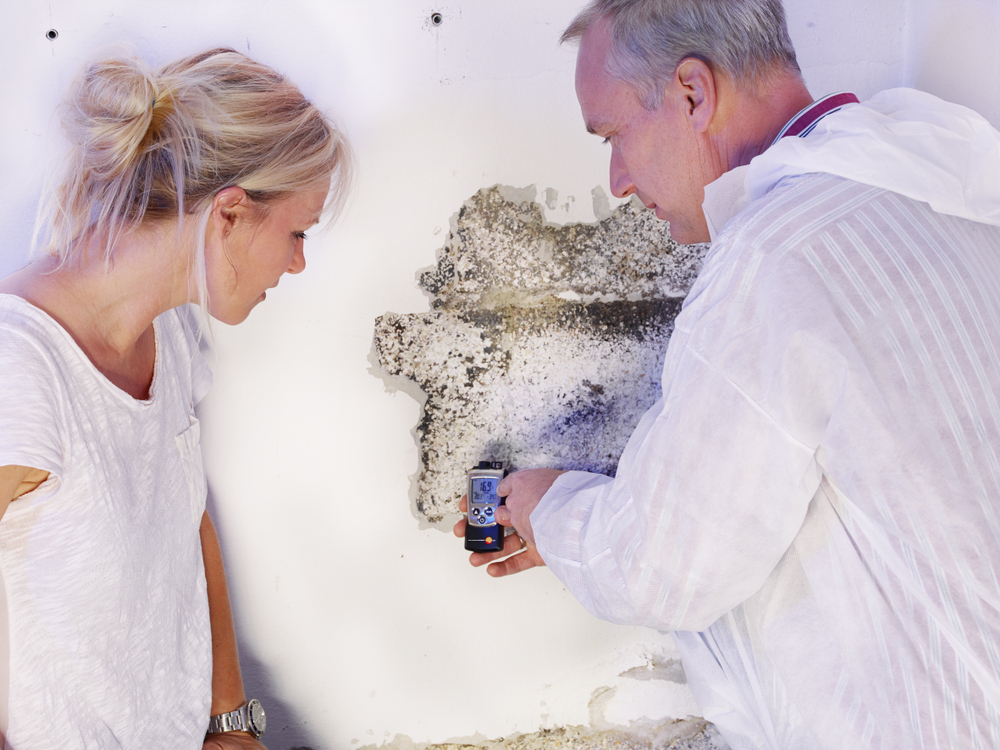

What is Mold Infection?
Mold infection, often referred to as mold-related illness, occurs when individuals are exposed to mold spores that can lead to various health problems. Mold is a type of fungus that thrives in damp and humid environments, making it a common presence in homes, especially in bathrooms, kitchens, and basements. It reproduces by releasing spores into the air, which can be inhaled or come into contact with the skin. While most people may encounter mold without any visible symptoms, those with sensitivities or underlying health conditions can experience significant effects.
In a mold infection, the immune system reacts to these spores, which can trigger an inflammatory response. This is particularly concerning for individuals who have allergies or asthma, as mold exposure can exacerbate their existing conditions. Understanding mold infection is crucial because it helps us recognize the symptoms and potential complications that can arise from prolonged exposure.
Mold infections are not solely limited to respiratory issues. Depending on the type of mold and the individual’s health status, symptoms can range from mild allergic reactions to more severe conditions. Common molds, such as Aspergillus, Cladosporium, and Penicillium, are often found indoors and can be particularly troublesome. Thus, awareness of mold and its potential impact on our health can empower us to take preventative measures.
How Does Mold Exposure Lead to Sinus Infections?
Mold exposure can significantly contribute to the development of sinus infections, also known as sinusitis. When mold spores enter the nasal passages, they can irritate the mucous membranes, leading to inflammation. This inflammation can obstruct the sinus cavities, preventing mucus from draining properly. Over time, this can create an environment conducive to bacterial growth, resulting in a secondary infection.
Moreover, individuals who are sensitive to mold may experience heightened reactions. For instance, their immune systems may overreact to the presence of mold, leading to increased mucus production and nasal congestion. This congestion can further complicate the situation, making it difficult for the sinuses to clear out debris and allergens. Consequently, the risk of developing sinusitis becomes significantly higher.
In some cases, the symptoms of a mold infection can mimic those of a sinus infection, making it challenging to distinguish between the two. Symptoms like nasal discharge, facial pain, and headaches can overlap, complicating diagnosis and treatment. This highlights the importance of understanding how mold exposure can lead to sinus infections and the need for appropriate medical intervention when symptoms arise.
Symptoms of Mold Infection and Sinus Congestion
Recognizing the symptoms associated with mold infection and sinus congestion is vital for early intervention. Common symptoms of mold-related illness include:
- Nasal Congestion: One of the most prevalent signs, nasal congestion can lead to difficulty breathing through the nose and increased pressure in the sinus cavities.
- Runny Nose: Often accompanied by clear or colored nasal discharge, this symptom can result from inflammation caused by mold exposure.
- Sneezing and Coughing: These symptoms occur as the body attempts to expel irritants from the respiratory tract. Prolonged exposure can lead to chronic coughing.
Additionally, mold infections can produce symptoms that affect overall health, such as fatigue, headaches, and even respiratory distress. It’s essential to listen to our bodies and seek medical attention if we experience persistent symptoms after mold exposure.
Other symptoms may include:
- Itchy or Watery Eyes: Exposure to mold can cause irritation in the eyes, leading to redness and discomfort.
- Skin Rashes: Some individuals may develop skin reactions, such as rashes or hives, when they come into contact with mold spores.
- Worsening Asthma Symptoms: For asthma sufferers, exposure to mold can trigger attacks or make symptoms more severe.
Understanding these symptoms is crucial not only for diagnosis but also for prevention. By recognizing the signs of mold infection, we can take proactive steps to address the underlying issue.
The Science Behind Mold and Its Effects on Health
The relationship between mold and health is complex and multifaceted. Research has shown that mold can produce allergens, irritants, and mycotoxins, which are toxic substances that can adversely affect human health. When inhaled, mold spores can initiate an immune response, leading to various symptoms. The extent of these symptoms often depends on the individual’s sensitivity, the amount of mold present, and the duration of exposure.
In a scientific context, mold spores are classified as allergens. According to the American Academy of Allergy, Asthma, and Immunology, exposure to mold can trigger allergic reactions in susceptible individuals. These reactions may manifest as respiratory issues, skin irritations, or other systemic symptoms. Furthermore, certain molds, such as Stachybotrys chartarum (commonly known as black mold), can produce mycotoxins that may lead to more severe health complications.
The body’s immune response to mold is another critical aspect of understanding its effects on health. In some cases, individuals may develop hypersensitivity pneumonitis, an inflammatory condition affecting the lungs. This condition can arise from repeated exposure to mold spores, causing symptoms that resemble pneumonia. Hence, it is essential to be aware of the potential long-term effects of mold exposure on respiratory health.
In conclusion, the science behind mold and its health effects underscores the importance of addressing mold issues promptly. By understanding the mechanisms involved, we can better equip ourselves to minimize exposure and protect our health.
Risk Factors for Mold Infection
Several risk factors can increase the likelihood of developing a mold infection. Identifying these factors can help us take preventive measures and reduce exposure. Key risk factors include:
- Pre-existing Health Conditions: Individuals with asthma, allergies, or weakened immune systems are more susceptible to mold infections. Their bodies may not respond effectively to the presence of mold spores, leading to more severe symptoms.
- Environmental Conditions: Living in areas with high humidity or frequent rainfall can create optimal conditions for mold growth. Basements, bathrooms, and kitchens are particularly vulnerable to mold proliferation due to moisture accumulation.
- Age: Children and the elderly are at a higher risk of developing health issues related to mold exposure. Their immune systems may be less developed or weakened, making them more susceptible to infections.
- Occupational Exposure: Certain professions, such as construction workers, farmers, or those working in water-damaged buildings, may be at a higher risk of mold exposure. Understanding the occupational hazards associated with these jobs is crucial for prevention.
- Poor Ventilation: Homes or buildings with inadequate ventilation can trap moisture and promote mold growth. Ensuring proper airflow can help mitigate this risk.
By understanding these risk factors, we can take proactive steps to protect ourselves and our families. This might include improving ventilation in our homes, addressing moisture issues, and being vigilant about potential mold growth.
Diagnosing Mold Infection: What to Expect
If you suspect that you have a mold infection, consulting a healthcare professional is essential for an accurate diagnosis. During the diagnostic process, the following steps typically occur:
- Medical History Review: The healthcare provider will start by discussing your medical history, including any pre-existing conditions, symptoms, and potential mold exposure. This information is crucial for understanding your risk factors and forming a treatment plan.
- Physical Examination: A thorough physical exam will help identify signs of a mold infection. The provider may check for nasal congestion, skin reactions, or respiratory distress. The physical examination can provide valuable insights into the severity of your symptoms.
- Diagnostic Tests: In some cases, additional tests may be necessary to confirm a mold infection. These can include skin tests to identify allergies, blood tests to measure immune responses, or imaging studies to assess sinus health.
- Allergy Testing: If allergies are suspected, skin prick tests or specific IgE blood tests may be conducted to determine sensitivity to mold and other allergens.
Once a diagnosis is made, the healthcare provider will discuss appropriate treatment options tailored to your specific needs. This process underscores the importance of seeking medical advice when experiencing persistent symptoms related to mold exposure.
Treatment Options for Mold Infection and Sinus Issues
Treating a mold infection effectively involves addressing both the infection and the underlying causes of exposure. Common treatment options include:
1. Medications
- Antihistamines: These can help alleviate allergic reactions and reduce symptoms such as sneezing and nasal congestion.
- Nasal Corticosteroids: These medications can reduce inflammation in the nasal passages, providing relief from congestion and irritation.
- Decongestants: These may help relieve nasal congestion and promote sinus drainage.
- Antibiotics: If a secondary bacterial infection is diagnosed due to prolonged sinusitis, antibiotics may be prescribed.
2. Environmental Control
- Mold Remediation: It’s essential to address the source of mold exposure in your environment. This may involve professional mold remediation services to safely remove mold and prevent future growth.
- Humidity Control: Keeping humidity levels in your home below 50% can help prevent mold growth. Using dehumidifiers or air conditioners can be effective in managing moisture levels.
- Regular Cleaning: Regularly cleaning areas prone to mold growth, such as bathrooms and kitchens, can help minimize exposure. Using mold-resistant products can also be beneficial.
3. Lifestyle Changes
- Avoid Allergens: Limiting exposure to known allergens, including mold, is crucial. This may involve avoiding outdoor activities on high mold spore days or using air purifiers in your home.
- Healthy Diet: A balanced diet rich in vitamins and minerals can support your immune system, helping your body combat infections more effectively.
By considering a combination of these treatment options, we can effectively manage mold infections and alleviate sinus issues. It’s essential to work closely with healthcare providers to determine the best approach for individual circumstances.
Preventing Mold Exposure in Your Home
Prevention is key when it comes to managing mold exposure in our homes. Here are some proactive steps we can take:
- Maintain Low Humidity: Using dehumidifiers and ensuring proper ventilation can help keep humidity levels in check. Aim to keep indoor humidity below 50%.
- Fix Leaks Promptly: Address any leaks or water damage as soon as they occur. This includes repairing plumbing issues, sealing windows, and ensuring roofs are in good condition.
- Proper Ventilation: Ensure that areas prone to moisture, such as bathrooms and kitchens, are well-ventilated. Use exhaust fans and open windows to allow for airflow.
- Regular Inspections: Conduct routine inspections of your home, paying special attention to areas like basements, attics, and behind appliances, to identify any signs of mold growth early.
- Use Mold-Resistant Products: When renovating or building, consider using mold-resistant paints, drywall, and other materials designed to inhibit mold growth.
By implementing these preventive measures, we can significantly reduce our risk of mold exposure and protect our health and well-being.
When to Seek Professional Help for Mold Infections
Knowing when to seek Professional mold remediation help is crucial for managing mold infections effectively. If you experience any of the following situations, it’s time to consult a healthcare professional:
- Persistent Symptoms: If you have ongoing symptoms such as nasal congestion, headaches, or respiratory distress that do not improve with home remedies, it’s essential to seek medical advice.
- Severe Reactions: Individuals who experience severe allergic reactions or respiratory issues, such as difficulty breathing or chest tightness, should seek immediate medical attention.
- Worsening Health Conditions: If you have pre-existing health conditions, such as asthma or compromised immunity, and notice worsening symptoms, it’s critical to consult your healthcare provider.
- Visible Mold Growth: If you find visible mold in your home, it’s best to seek professional help for safe removal and remediation.
Taking these steps can help ensure that mold infections are addressed promptly and effectively, minimizing the risk of complications and promoting better health outcomes.
Conclusion: Staying Informed About Mold and Health
In conclusion, understanding mold infection and its potential health impacts is crucial for maintaining our well-being. By recognizing the symptoms and risk factors, we can take proactive measures to protect ourselves and our families from mold exposure. Awareness of the science behind mold and its effects on health empowers us to make informed decisions about our living environments.
By implementing preventative strategies, seeking timely medical advice, and taking appropriate action when necessary, we can mitigate the risks associated with mold infections. Remember, our health is our most valuable asset—staying informed and proactive is the key to safeguarding it.
For More Information about Mold Infection Contact us :
Business Name: Green Guard Mold Remediation of Edison
Address: 6 Kilmer Rd, Edison, NJ 08817, United States
Phone: 908-762-8046
Email: info@greenguardmoldremediationedison.com
Website: https://greenguardmoldremediationedison.com/