What is Mold and How Does It Form?
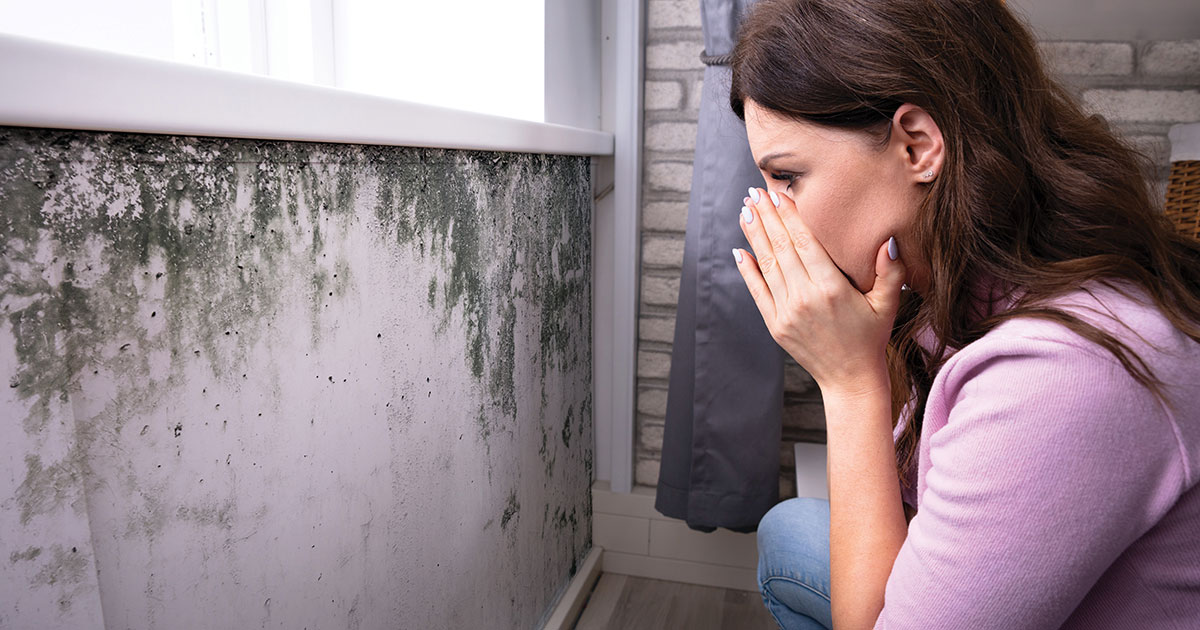
Mold is a type of fungus that thrives in damp, humid environments. It reproduces through tiny spores that are released into the air and can settle on various surfaces, including walls, ceilings, and furniture. Mold can grow on organic materials such as wood, paper, and food, making it a common household concern. Understanding how mold forms is crucial for preventing its growth in our homes and protecting our health.
The conditions for mold growth are relatively simple: moisture, organic material, and a suitable temperature. When these three elements are present, mold can develop rapidly. It often appears as a fuzzy or discolored patch and can vary in color from black and green to white and yellow. I have seen mold appear in the aftermath of water damage, such as leaks from plumbing or roofing issues, as well as in areas with high humidity, like bathrooms and kitchens.
To effectively combat mold, it’s essential to understand where it can thrive. Common areas include:
- Bathrooms: Due to high humidity from showers and baths.
- Kitchens: Where spills and moisture from cooking can accumulate.
- Basements: Often prone to leaks and dampness.
- Crawl Spaces: These areas can trap moisture, creating a breeding ground for mold.
By recognizing where mold can form, we can take proactive steps to eliminate the conditions that encourage its growth.
Why Mold is Dangerous: Understanding the Risks
Mold is dangerous for several reasons, primarily due to its potential health effects. When inhaled or touched, mold spores can lead to a range of health issues, particularly for vulnerable groups such as babies, seniors, and pets. I cannot stress enough how important it is to be aware of these risks, as they can sometimes escalate quickly if left unchecked.
One of the most concerning aspects of mold exposure is its link to respiratory problems. Individuals who are sensitive or allergic to mold may experience symptoms such as coughing, sneezing, and nasal congestion. Furthermore, exposure to mold can exacerbate existing respiratory conditions like asthma, leading to more severe complications. For babies and seniors, whose immune systems may be less robust, the risk is significantly heightened.
In addition to respiratory issues, mold can also trigger allergic reactions and skin irritations. Some types of mold produce mycotoxins, which can lead to more severe health complications. Symptoms of mold toxicity can include headaches, fatigue, and even neurological issues in extreme cases. It’s essential that we remain vigilant and take mold exposure seriously, as its repercussions can be far-reaching.
Health Risks of Mold Exposure for Babies
Babies are especially susceptible to the dangers of mold. Their immune systems are still developing, which makes them more vulnerable to infections and allergies. When exposed to mold, infants may experience a variety of health issues that can affect their growth and development. As a parent or caregiver, it is crucial to be aware of these risks and take appropriate measures to protect the little ones in our care.
One of the primary concerns is respiratory health. Infants exposed to mold may develop coughing, wheezing, and difficulty breathing, which can lead to more severe conditions like bronchitis or pneumonia. Additionally, mold exposure can increase the likelihood of developing asthma later in life. I firmly believe that creating a mold-free environment for babies is a fundamental responsibility for all caregivers.
Moreover, mold can trigger allergic reactions in babies, leading to symptoms such as skin rashes, itchy eyes, and sneezing. These allergic responses can be uncomfortable and distressing for both the child and the parent. It is essential to monitor any unusual health symptoms and consult a pediatrician if there are concerns. Preventing mold exposure in the first place is the best course of action.
Health Risks of Mold Exposure for Seniors
Seniors face unique health risks when it comes to mold exposure. As we age, our immune systems may weaken, making it more challenging for our bodies to fight off infections and illnesses. This is particularly concerning in the case of mold, which can lead to serious health complications in older adults. I have witnessed how mold can impact the lives of seniors and the importance of taking preventive measures to ensure their safety.
Respiratory problems are a significant concern for seniors exposed to mold. Conditions such as chronic obstructive pulmonary disease (COPD) or asthma can be exacerbated by mold spores in the air. Furthermore, mold exposure may lead to increased susceptibility to respiratory infections, which can be particularly dangerous for older adults. I always encourage family members to be proactive in identifying mold sources in their homes to safeguard their loved ones.
In addition to respiratory issues, mold can also contribute to cognitive decline in seniors. Studies have suggested a link between mold exposure and increased rates of cognitive impairment, including memory loss and confusion. This is especially alarming, as many seniors are already at risk for cognitive decline due to age-related conditions. It is vital to create a healthy living environment to support their mental and physical well-being.
Health Risks of Mold Exposure for Pets
Our furry friends are not immune to the dangers of mold exposure. Pets can suffer from similar health issues as humans when they come into contact with mold spores. As a pet owner, I understand that keeping our animals safe is a top priority, and that includes protecting them from hidden dangers like mold.
One of the most common health issues pets may experience due to mold exposure is respiratory problems. Cats and dogs can develop coughing, sneezing, and nasal congestion, which can lead to more severe complications if not addressed. Additionally, pets with pre-existing respiratory conditions may be at an even higher risk of experiencing adverse effects from mold exposure. I recommend monitoring pets closely for any signs of illness, especially if you suspect mold may be present in your home.
Allergic reactions are also a concern for pets exposed to mold. Symptoms can include itching, skin rashes, and even gastrointestinal issues. If you notice your pet exhibiting unusual behaviors or symptoms, it is wise to consult a veterinarian. Preventive measures, such as regular cleaning and monitoring for mold growth, can help protect our beloved companions from these health risks.
Recognizing Signs of Mold in Your Home
Recognizing the signs of mold in your home is the first step in addressing the issue. Mold can often go unnoticed until it has become a significant problem, so vigilance is key. I have learned that being aware of the common indicators of mold can save you from costly repairs and health complications down the line.
Visual Indicators: Look for visible mold patches, which may appear as dark spots or fuzzy growths on surfaces. Common areas include bathrooms, basements, and areas with water damage. Additionally, if you notice discoloration on walls or ceilings, it may be a sign of mold growth.
Odor: A musty or damp smell is often a telltale sign of mold presence. If you detect a persistent odor, even if you cannot see any visible mold, it is essential to investigate further. This could indicate hidden mold within walls or other surfaces.
Health Symptoms: If you or your family members begin experiencing unexplained health issues, such as respiratory problems or allergic reactions, it may be related to mold exposure. Keeping track of when and where these symptoms arise can help identify potential sources of mold in your home.
Prevention Strategies: Keeping Your Home Mold-Free
Preventing mold in our homes requires a proactive approach. I have found that implementing a few simple strategies can significantly reduce the likelihood of mold growth. Here are some effective prevention methods:
- Control Humidity Levels: Keeping humidity in your home below 60% is crucial for preventing mold growth. Use dehumidifiers and air conditioners, especially in damp areas like basements and bathrooms.
- Ventilation: Proper ventilation is essential in areas prone to moisture. Ensure that bathrooms and kitchens are equipped with exhaust fans, and regularly open windows to increase airflow.
- Regular Cleaning: Regularly cleaning and maintaining your home can help prevent mold from taking hold. Pay special attention to areas that are more susceptible to dampness, such as behind appliances and under sinks.
- Repair Leaks Promptly: Address any plumbing or roofing leaks as soon as they are detected. Water damage provides the perfect environment for mold growth, so timely repairs are crucial.
- Use Mold-Resistant Products: When renovating or building, consider using mold-resistant materials, such as drywall and paint, to help keep mold at bay.
By implementing these strategies, we can create a safer, healthier living environment for ourselves and our loved ones.
What to Do if You Discover Mold
If you discover mold in your home, it’s essential to act quickly and effectively. I have learned that addressing the problem may seem daunting, but taking the right steps can help you manage the situation safely. Here’s a simple guide on what to do if you find mold:
- Assess the Situation: Determine the extent of the mold growth. If it is a small area (less than ten square feet), you may be able to handle it yourself. However, if the mold covers a larger area or is in a hidden location, it may be time to call in professionals.
- Protect Yourself: When dealing with mold, it’s crucial to protect yourself. Wear gloves, goggles, and a mask to minimize exposure to mold spores. This will help prevent any allergic reactions or respiratory issues.
- Contain the Area: If possible, seal off the affected area to prevent mold spores from spreading to other parts of your home. Use plastic sheeting or duct tape to create barriers.
- Clean the Mold: For small areas, you can clean mold using a mixture of water and detergent or a specialized mold cleaner. Avoid using bleach, as it may not effectively kill mold spores and can produce harmful fumes.
- Dry the Area: After cleaning, ensure the affected area is thoroughly dried to prevent mold from returning. Use fans or dehumidifiers to promote drying.
- Monitor for Recurrence: After addressing the mold issue, keep an eye on the area to ensure mold does not return. Regularly check for signs of moisture and mold growth.
Professional Mold Remediation Services
In cases where mold growth is extensive or poses significant health risks, it may be necessary to seek professional mold remediation services. I have come to understand that hiring experts can save you time, effort, and ensure a thorough job. Here are some key points to consider when selecting a mold remediation service:
- Qualifications: Ensure that the company is licensed, insured, and has trained professionals experienced in mold remediation. Look for certifications from recognized organizations.
- Assessment: A reputable company will conduct a thorough assessment of your property to identify the source of the mold and the extent of the growth before providing a remediation plan.
- Methods and Equipment: Inquire about the methods and equipment they will use. Professional services often employ advanced techniques, such as HEPA filtration and specialized cleaning agents, to effectively remove mold.
- Post-Remediation Testing: After the remediation process is complete, a reliable company will conduct testing to ensure that the mold has been effectively removed and that the area is safe.
- Prevention Advice: Many professional services will provide advice on preventing future mold growth, which can be invaluable in protecting your home and family.
Conclusion: Prioritizing Health and Safety
In conclusion, understanding why mold is dangerous is essential for protecting our health and the well-being of our loved ones, including babies, seniors, and pets. As I reflect on the various risks associated with mold exposure, I am reminded of the importance of vigilance and proactive measures in maintaining a mold-free environment.
By recognizing the signs of mold, implementing prevention strategies, and knowing what to do if mold is discovered, we can create a safer living space for ourselves and our families. If you suspect mold in your home, do not hesitate to take action—whether through DIY methods or by seeking professional assistance.
For more information about Why Mold is Dangerous, contact us:
Business Name: New Jersey Mold Specialist
Address: 92 Bayard St #203, New Brunswick, NJ 08901
Call us: (732) 973-9352
Email: info@njmoldspecialist.com
Website: https://njmoldspecialist.com/