
Mold is a common issue that can arise in homes, particularly in areas with high humidity or moisture. While some mold types are harmless, others can pose significant health risks, especially for sensitive individuals. Understanding the signs of mold presence in your home and recognizing its potential health impacts is crucial for maintaining a safe living environment. This article explores the various aspects of mold, including its identification, health effects, prevention, and remediation strategies.
Understanding Mold: What Is It?
Mold is a type of fungus that thrives in damp environments. It can appear in various colors, including black, green, and white, and often emits a musty odor. Mold spores are ubiquitous in the environment and can enter homes through open windows, doors, or on clothing and pets. Once inside, mold requires moisture to grow, making areas prone to leaks or high humidity ideal breeding grounds.
Common Types of Mold
There are numerous mold species, but some of the most common types found in homes include:
- Aspergillus: Often found in damp areas, it can cause respiratory issues.
- Cladosporium: Typically appears as green or black spots and can trigger allergies.
- Stachybotrys chartarum: Commonly known as black mold, it is associated with severe health risks.
How Mold Grows
Mold spores can settle on various surfaces, including wood, drywall, and fabric. When these spores encounter moisture, they can begin to grow and reproduce rapidly. Common sources of moisture that promote mold growth include:
- Leaky roofs or plumbing
- High humidity levels
- Flooding or water damage
- Poor ventilation
Recognizing the Signs of Mold
Identifying mold in your home is the first step toward addressing the problem. Here are some common indicators that mold may be present:
Visual Signs
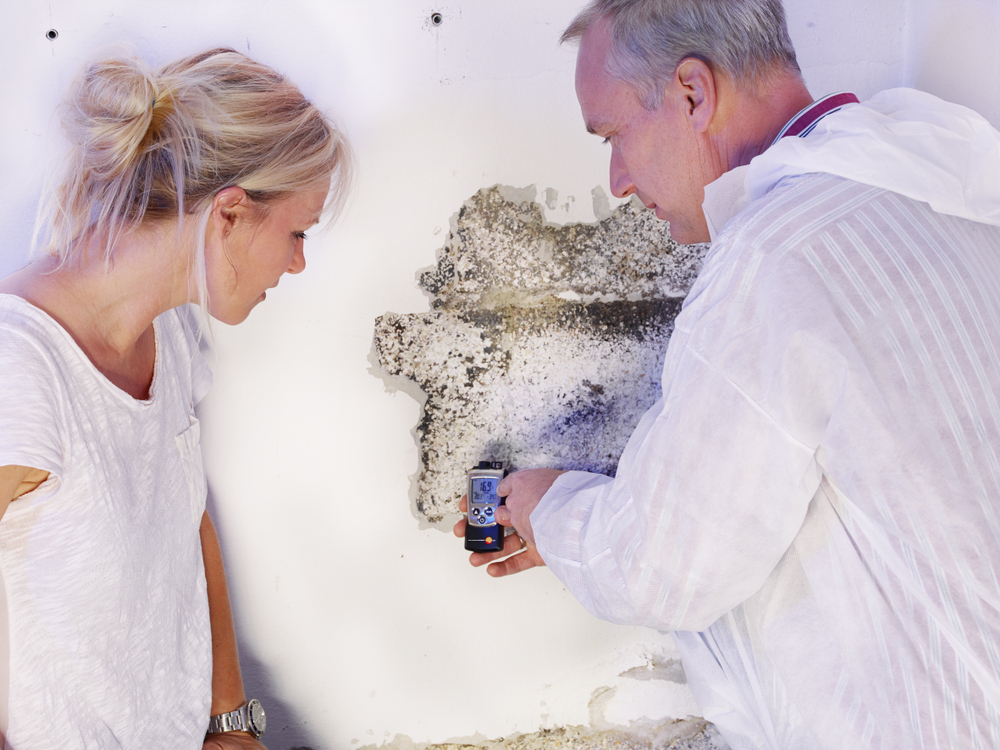
Mold can often be seen as fuzzy or discolored patches on walls, ceilings, or floors. Look for:
- Dark spots on walls or ceilings
- Discoloration on carpets or upholstery
- Fuzzy growth on damp surfaces
Odor
A musty smell is a strong indicator of mold presence. If you notice a persistent, unpleasant odor, it may be time to investigate further.
Health Symptoms
If you or your family members experience unexplained health issues, mold could be the culprit. Common symptoms associated with mold exposure include:
- Nasal congestion or runny nose
- Coughing or wheezing
- Skin rashes or irritation
- Eye irritation or redness
Health Risks Associated with Mold Exposure
While not all molds are harmful, certain types can lead to serious health problems, particularly for vulnerable populations. Understanding these risks is essential for safeguarding your health.
Allergic Reactions
Individuals with mold allergies may experience heightened symptoms when exposed to mold spores. Common allergic reactions include:
- Sneezing
- Itchy or watery eyes
- Skin rashes
Respiratory Issues
Prolonged exposure to mold can exacerbate respiratory conditions, particularly in individuals with asthma or chronic lung diseases. Symptoms may include:
- Shortness of breath
- Chest tightness
- Persistent cough
Other Health Effects
Research has linked mold exposure to various health issues, including:
- Asthma Development: Children exposed to mold in their homes may have an increased risk of developing asthma.
- Mood Changes: Some studies suggest that mold exposure can lead to increased stress, anxiety, and depression.
- Immune System Effects: Chronic exposure may affect immune function, leading to increased susceptibility to infections.
Identifying Mold in Your Home
If you suspect mold in your home, it’s essential to conduct a thorough inspection. Here are some tips for identifying mold:
Visual Inspection
Start by examining areas prone to moisture, such as:
- Bathrooms
- Kitchens
- Basements
- Around windows and doors
Smell Test
Pay attention to any musty odors, especially in enclosed spaces. If you detect a smell, investigate further to locate the source.
Hidden Mold
Mold can grow behind walls, under carpets, or in other concealed areas. If you suspect hidden mold, consider removing wall panels or lifting carpets to check for growth.
Common Causes of Mold Growth
Understanding the factors that contribute to mold growth can help you prevent future issues. Some common causes include:
Water Damage
Leaks from roofs, plumbing, or appliances can create ideal conditions for mold growth. Addressing water damage promptly is crucial.
High Humidity
Maintaining indoor humidity levels below 50% can help prevent mold. Use dehumidifiers in damp areas and ensure proper ventilation.
Poor Ventilation
Inadequate airflow can trap moisture indoors. Ensure that exhaust fans are functioning correctly and that air can circulate freely throughout your home.
Mold Remediation: When to Seek Professional Help
If you discover mold in your home, it’s essential to take action. For small areas, you may be able to handle the cleanup yourself, but larger infestations often require professional assistance.
DIY Mold Removal
For small patches of mold (less than 10 square feet), you can follow these steps:
- Wear Protective Gear: Use gloves, goggles, and a mask to protect yourself.
- Clean the Area: Use soap and water or a bleach solution (1 cup of bleach per gallon of water) to scrub the mold off hard surfaces.
- Dry Thoroughly: Ensure the area is completely dry to prevent future growth.
Professional Mold Remediation
If the mold covers a larger area or if you have experienced significant water damage, it’s best to hire a certified mold remediation professional. Look for companies certified by organizations such as:
- National Environmental Health Association (NEHA)
- American Industrial Hygiene Association (AIHA)
- Institute of Inspection, Cleaning and Restoration Certification (IICRC)
Preventing Mold Growth in Your Home
Taking proactive measures can significantly reduce the risk of mold growth. Here are some effective prevention strategies:
Control Humidity Levels
Use dehumidifiers to maintain indoor humidity between 30% and 50%. Regularly check humidity levels with a hygrometer.
Improve Ventilation
Ensure that your home has adequate airflow. Use exhaust fans in kitchens and bathrooms, and open windows when weather permits.
Address Water Issues Promptly
Fix leaks and water damage as soon as they occur. If you experience flooding, dry out the area within 24-48 hours to prevent mold growth.
Use Mold-Resistant Products
Consider using mold-resistant paints and materials in areas prone to moisture, such as bathrooms and kitchens.
Conclusion
Mold can pose significant health risks, particularly for sensitive individuals. By understanding the signs of mold presence, recognizing its potential health effects, and taking proactive measures to prevent growth, you can create a safer living environment for you and your family. If you suspect mold in your home, don’t hesitate to take action—whether through DIY methods or by seeking professional help. Prioritizing mold prevention and remediation is essential for maintaining a healthy home.
For more information about Signs Your Home’s Mold Problem contact Us:
Business Name: Green Guard Mold Remediation NYC
Address: 598 Broadway 4th floor, New York, NY 10012, United States
Phone: +1 888-315-2146
Email: info@greenguardmoldremediationnyc.com
Website: https://greenguardmoldremediationnyc.com/