

Mold is a type of fungus that thrives in damp environments and can be found both indoors and outdoors. While it plays a crucial role in breaking down organic matter in nature, its presence in our homes can lead to significant health concerns. Understanding the potential health effects of mold exposure is essential for maintaining a safe living environment. This article delves into how mold can affect your health, the symptoms associated with exposure, and the warning signs to watch for and choose a Mold remediation service as soon as possible.
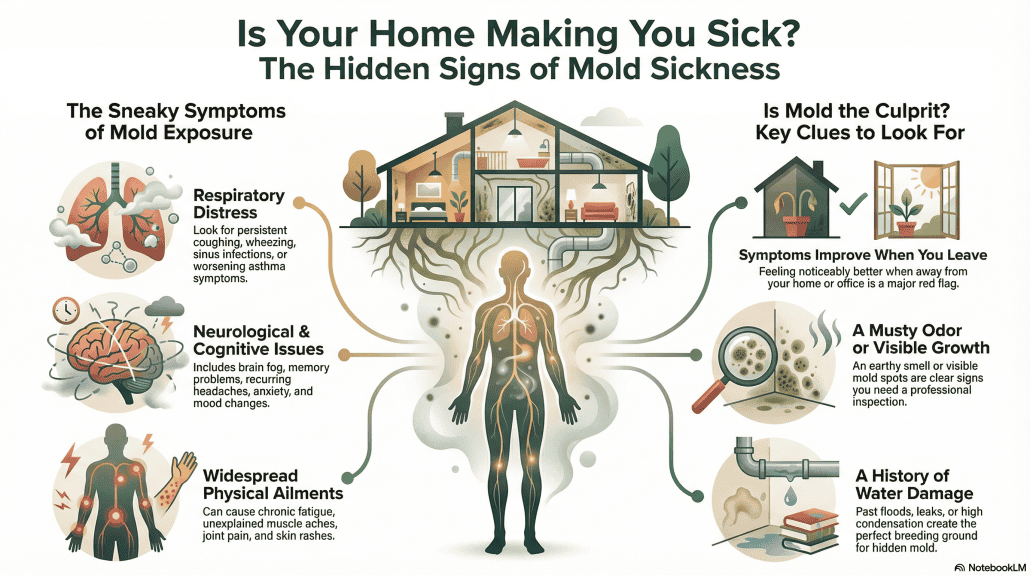
Understanding Mold and Its Growth
Mold spores are ubiquitous in the environment, often floating through the air and settling on various surfaces. They require moisture and organic material to grow, making homes, especially those with water damage or high humidity, prime locations for mold proliferation. Common areas where mold can thrive include:
- Bathrooms: Due to high humidity from showers and baths.
- Kitchens: Where spills and leaks can create damp conditions.
- Basements: Often prone to moisture accumulation.
- Crawl Spaces: These areas can trap humidity and promote mold growth.
Mold can reproduce by releasing spores into the air, which can then be inhaled or come into contact with skin, leading to potential health issues.
Health Risks Associated with Mold Exposure
Exposure to mold can lead to a variety of health problems, particularly for individuals with pre-existing conditions. While not everyone will experience symptoms, certain groups are more susceptible, including:
- Individuals with Allergies: Those who are allergic to mold may experience heightened reactions.
- Asthma Patients: Mold can exacerbate asthma symptoms, leading to increased difficulty in breathing.
- Immunocompromised Individuals: People with weakened immune systems are at a higher risk for severe reactions.
Common Health Effects
The health effects of mold exposure can vary widely among individuals. Some of the most common symptoms include:
- Respiratory Issues: Coughing, wheezing, and difficulty breathing are frequent complaints.
- Allergic Reactions: Symptoms such as sneezing, runny nose, and itchy eyes can occur.
- Skin Irritation: Rashes or other skin irritations may develop upon contact with mold.
- Headaches: Persistent headaches can be a sign of mold exposure.
Identifying Mold-Related Symptoms
Recognizing the symptoms associated with mold exposure is crucial for timely intervention. Here are some key indicators to watch for:
Respiratory Symptoms
Many individuals report respiratory issues when exposed to mold. These can manifest as:
- Chronic Coughing: A persistent cough that does not improve may indicate mold exposure.
- Wheezing: A whistling sound when breathing can be a sign of airway constriction.
- Shortness of Breath: Difficulty in breathing, especially during physical activity, should not be ignored.
Allergic Reactions
For those with mold allergies, exposure can trigger a range of symptoms, including:
- Sneezing and Nasal Congestion: These are common allergic responses to mold spores.
- Itchy or Watery Eyes: Allergic conjunctivitis can occur, leading to discomfort.
- Skin Reactions: Rashes or hives may develop in response to mold exposure.
Other Symptoms
In addition to respiratory and allergic symptoms, mold exposure can lead to:
- Fatigue: Persistent tiredness may be linked to mold exposure.
- Headaches: Frequent headaches can be a sign of indoor air quality issues.
- Cognitive Effects: Some individuals report difficulty concentrating or memory issues.
Recognizing Warning Signs of Mold
Being aware of the warning signs of mold can help you take action before health issues arise. Here are some common indicators:
Visible Mold Growth
One of the most obvious signs of mold is its visible presence. Look for:
- Discoloration: Mold can appear as black, green, or white patches on walls, ceilings, or floors.
- Fuzzy Texture: Some molds have a fuzzy or slimy appearance, indicating active growth.
Musty Odors
A musty smell is often a telltale sign of mold presence. If you notice:
- Persistent Odors: A lingering musty smell, especially in damp areas, may indicate mold growth.
- Odors in Hidden Areas: If you detect a musty smell but cannot see mold, check behind furniture, under carpets, or in closets.
Water Damage
Water damage is a significant contributor to mold growth. Be vigilant for:
- Stains on Walls or Ceilings: Water stains can indicate leaks that may lead to mold.
- Peeling Paint or Wallpaper: This can be a sign of moisture buildup behind surfaces.
Preventing Mold Growth in Your Home
Taking proactive measures can help prevent mold growth in your home. Here are some effective strategies:
Control Humidity Levels
Maintaining low humidity levels is crucial for mold prevention. Consider:
- Using Dehumidifiers: These devices can help reduce moisture in the air, especially in basements and bathrooms.
- Ventilating Areas: Ensure proper ventilation in high-moisture areas like kitchens and bathrooms.
Address Water Issues Promptly
Any signs of water damage should be addressed immediately to prevent mold growth. This includes:
- Fixing Leaks: Repair any plumbing leaks or roof leaks as soon as they are detected.
- Cleaning Up Spills: Promptly clean up any spills or water accumulation.
Regular Cleaning
Routine cleaning can help minimize mold growth. Focus on:
- Wiping Down Surfaces: Regularly clean surfaces in bathrooms and kitchens to prevent mold buildup.
- Inspecting Hidden Areas: Check behind appliances and furniture for signs of moisture or mold.
What to Do If You Suspect Mold Exposure
If you suspect that you or your family members are experiencing symptoms related to mold exposure, it’s essential to take action. Here’s what you can do:
Consult a Healthcare Professional
If you experience persistent symptoms, consult a healthcare provider. They can:
- Evaluate Symptoms: A doctor can assess your symptoms and determine if they may be related to mold exposure.
- Recommend Treatment: Depending on your symptoms, they may suggest medications or other interventions.
Identify and Remove Mold Sources
If mold is present in your home, it’s crucial to address the source. This may involve:
- Cleaning Small Areas: For minor mold issues, you can clean surfaces with soap and water or a mixture of vinegar and water.
- Hiring Professionals: For extensive mold problems, consider hiring a licensed mold remediation specialist.
Monitor Your Health
Keep track of your symptoms and any changes in your health. If symptoms worsen or new symptoms develop, seek medical advice promptly.
The Importance of Mold Testing
While not always necessary, mold testing can provide valuable information about the presence and type of mold in your home. Consider the following:
When to Test for Mold
Testing may be beneficial if:
- Visible Mold is Present: If you see mold but are unsure of its type, testing can help identify it.
- Persistent Health Issues: If symptoms persist despite remediation efforts, testing may provide insights.
Types of Mold Tests
There are various methods for testing mold, including:
- Air Sampling: This involves collecting air samples to analyze mold spore levels.
- Surface Sampling: Swabs or tape lifts can be used to collect samples from surfaces.
Conclusion
Understanding the potential health risks associated with mold exposure is crucial for maintaining a safe living environment. By recognizing symptoms, identifying warning signs, and taking preventive measures, you can protect yourself and your family from the adverse effects of mold. If you suspect mold in your home, addressing the issue promptly and consulting with professionals can help ensure a healthier living space.
For More Information about Common Symptoms and Warning Signs of mold Contact us :
Business Name: Green Guard Mold Remediation of Edison
Address: 6 Kilmer Rd, Edison, NJ 08817, United States
Phone: 908-762-8046
Email: info@greenguardmoldremediationedison.com
Website: https://greenguardmoldremediationedison.com/